Orthopedic Care for Active Adults in Alvin: Keeping You in the Game with Knee, Hip & Shoulder Care
Practical guidance for middle-aged Alvin residents on balancing activity goals and safe treatment for knee, hip, and shoulder problems—from evaluation and non‑surgical options to staged surgery and recovery expectations.

Why staying active matters and when to seek an ortho consult
For many middle-aged adults, keeping up with work, family and exercise is a top priority. Joint pain in the knee, hip or shoulder that limits mobility, reduces strength, or causes night pain is a common reason to see an orthopedic surgeon. A consult is appropriate when pain limits the activities you value, conservative measures aren’t helping, or you notice loss of function such as catching, instability, or marked weakness.
How an orthopedic surgeon balances activity goals with safety
A surgeon’s job is to help you meet realistic activity goals while minimizing risk. That starts with a careful history and physical exam, focused imaging when needed, and a frank discussion about what’s causing symptoms. Treatment decisions are individualized: the doctor and patient weigh current activity levels, job demands, sports or hobbies, and overall health to choose the least disruptive plan that still addresses the underlying problem.
Non-surgical approaches worth trying first
Many people can improve without surgery. Typical options include targeted physical therapy to rebuild strength and range of motion, supportive braces or taping for stability, activity modification and a progressive exercise plan, and joint injections to reduce inflammation and allow more effective rehab. These measures are often combined and tailored to your goals so you can stay active while reducing pain.
When surgery is the best path — and what 'staged' means
Surgery is considered when conservative care fails, when structural damage threatens long‑term function, or when pain persists despite measures aimed at recovery. For active adults, surgeons often plan procedures to preserve as much function as possible. Staged surgery means tackling problems in a planned sequence (for example, addressing the worse knee first), which can help you maintain independence during recovery and allow focused rehabilitation between procedures.
What recovery and return to activity typically involve
Recovery plans are guided by the procedure, your baseline fitness, and your activity targets. Rehabilitation is usually a gradual progression from basic mobility to strength and sport‑specific conditioning. Many patients report significant improvement in daily activities and return to favored pastimes after completing their rehab. Individual timelines vary, so the care team provides milestones and adjustments so you can safely resume work and exercise.
Practical tips to stay active while treating joint problems
Start with realistic short‑term goals and a written plan: what you’ll avoid, what you’ll continue, and how you’ll progress. Cross‑train to reduce joint stress (low‑impact cardio, swimming, cycling), prioritize strength and flexibility, and use assistive supports like braces or orthotics when recommended. Communicate with your employer about temporary adjustments if needed, and work closely with physical therapists to make activity modifications that protect healing while maintaining fitness.
Choosing care in Alvin: what to expect from Bay Area Sports and Orthopedics
When selecting a surgeon, look for clear communication, a shared decision‑making approach and a team that supports your recovery. Patients of Bay Area Sports and Orthopedics commonly note the surgeon’s thoughtful, listening approach and long‑term relationships with families, as well as a clean clinic and helpful staff. While clinical outcomes and patient trust are strengths, some patients have reported occasional front‑desk or scheduling frustrations—so calling ahead and confirming paperwork or insurance details can help your visit go smoothly. If you’re juggling an active life and a joint problem, request a consultation to discuss a stepwise plan that aligns with your goals.
Customer review


Article by
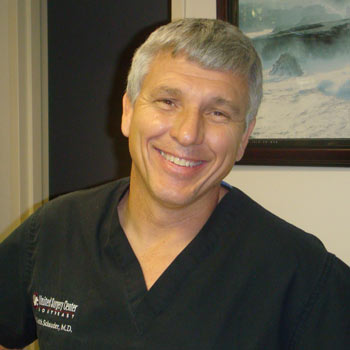
Dr. Schauder - Alvin
Dr. Schauder was born in Detroit, Michigan. He received his undergraduate degree from Albion College, Albion, Michigan in 1981 Summa Cum Laude with a 4.0 GPA, Phi Beta Kappa, Albion Fellow.