Orthopedic Care After a Car Accident in Alvin: A Step-by-Step Guide for What to Do After the ER
Practical guidance for Alvin-area patients on when to follow up with an orthopedic surgeon after a car wreck, common injuries that can be missed at the ER, how follow-up exams and imaging protect long-term mobility, and what to bring to your appointment.
Why an orthopedic follow-up matters after the ER
The emergency department stabilizes patients and addresses life‑threatening problems first. That means some musculoskeletal injuries get only an initial evaluation and basic imaging. If you left the ER with ongoing pain, swelling, limited motion, or trouble walking, a follow-up with an orthopedic surgeon can identify injuries that affect long‑term mobility and plan appropriate treatment. One local patient described the caring, thorough follow-up they received after a serious car accident — an example of how timely orthopedic attention can change recovery.
Injuries commonly missed or underestimated at first
Not all injuries are obvious on first exam or initial X‑rays. Examples that sometimes get missed or underappreciated include nondisplaced fractures, small joint injuries (wrist, ankle), ligament or tendon tears (knee, shoulder), mild spinal compression injuries, and joint dislocations that appear reduced but still need repair. Soft‑tissue injuries may cause delayed swelling and loss of range of motion. A follow‑up visit lets a surgeon reassess symptoms and decide whether further testing is needed.
Red flags that warrant prompt orthopedic evaluation
Return to an orthopedic clinic quickly if you have persistent or worsening pain, obvious deformity, numbness or tingling, inability to bear weight, severe swelling that rapidly increases, new loss of motion, or signs of infection (fever, redness). Even if you were cleared in the ER, these symptoms suggest either a missed injury or a complication that benefits from specialist care to prevent long‑term problems.
What to expect at your orthopedic follow‑up appointment
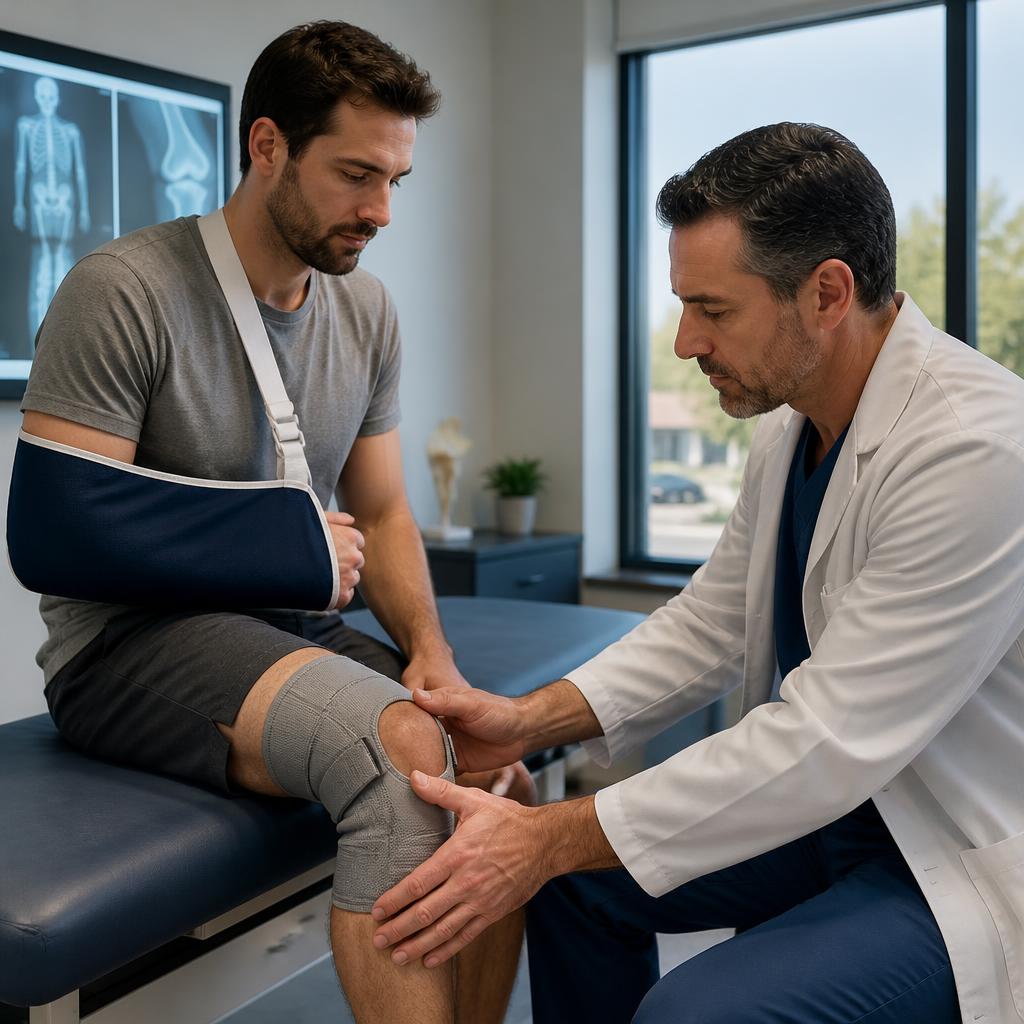
Your orthopedic visit typically starts with a focused history and physical exam: when and how the crash happened, what symptoms have changed since the ER, and a targeted assessment of strength, range of motion, and stability. The surgeon will review ER records and any images you have and decide whether repeat or advanced imaging is needed. Expect a clear explanation of findings, treatment options, and a plan for next steps and rehabilitation.
How follow‑up imaging and exams protect mobility
Initial ER X‑rays are useful but sometimes miss subtle or complex injuries. In follow‑up, orthopedists may recommend repeat X‑rays, CT scans for complex fractures, or MRI to evaluate ligaments, tendons, and cartilage. These tests clarify the injury and guide decisions between conservative care and procedures. Early, accurate diagnosis helps prevent chronic pain, instability, or loss of function that can limit daily activities long‑term.
Treatment approaches: conservative care to surgical options
Treatment depends on the injury. Many patients start with conservative measures—immobilization, bracing, activity modification, pain control, and a structured rehabilitation program. When an injury requires it, surgical repair or reconstruction may be recommended. Local reviews note that surgeons in the area have experience with a range of procedures and that patients who needed surgery often report meaningful improvement afterward. Your orthopedist will explain risks, benefits, and expected recovery so you can make an informed choice.
Planning recovery: rehabilitation and practical steps
Protecting long‑term mobility means following a clear recovery plan. That often includes gradually guided physical therapy, home exercises to restore strength and motion, and regular follow‑up visits to track healing. Ask your surgeon about timelines for weight bearing, driving, return to work, and sports. Keep a record of symptoms, note any new concerns between visits, and communicate them promptly—early adjustments to your plan can speed recovery and reduce complications.
How to prepare for your orthopedic appointment in Alvin
Bring your ER discharge paperwork, any imaging CDs or digital files, a list of current medications, and notes about how your symptoms have changed since the accident. If possible, call ahead to Bay Area Sports and Orthopedics at the clinic on 1 Medic Lane in Alvin to schedule a timely visit; some patients praise the clinic’s attentive care and thorough follow‑up, but others recommend calling early because front‑office availability can vary. Clear records and prompt follow‑up give your orthopedist the best chance to protect your long‑term mobility after a car wreck.
Customer review


Article by
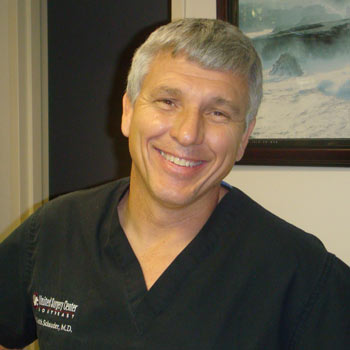
Dr. Schauder - Alvin
Dr. Schauder was born in Detroit, Michigan. He received his undergraduate degree from Albion College, Albion, Michigan in 1981 Summa Cum Laude with a 4.0 GPA, Phi Beta Kappa, Albion Fellow.