Non-Surgical Orthopedic Options in Alvin: When Surgery Is Truly a Last Resort
A practical guide to common conservative treatments—braces, injections, medications, physical therapy and activity changes—how they work, and how Alvin orthopedic surgeons decide that surgery is necessary only after conservative care has been tried.
Why conservative care matters
Many orthopedic conditions can be managed effectively without immediate surgery. Conservative care focuses on reducing pain, improving function, and delaying or avoiding an operation when possible. For people in Alvin considering orthopedic care, understanding non-surgical choices helps you make informed decisions, set realistic expectations, and work collaboratively with your surgeon or clinician to find the best path forward.
Overview of common non-surgical options
Orthopedic surgeons and clinicians commonly recommend a combination of approaches before recommending surgery. Typical options include supportive devices (braces, splints, orthotics), targeted injections, pain-relief medications, structured physical therapy and exercise, and activity modification or weight management. Providers choose from these tools based on the condition (for example, knee osteoarthritis versus tendonitis), symptom severity, imaging results, and the patient’s goals and overall health.
Supportive devices: braces, splints and orthotics
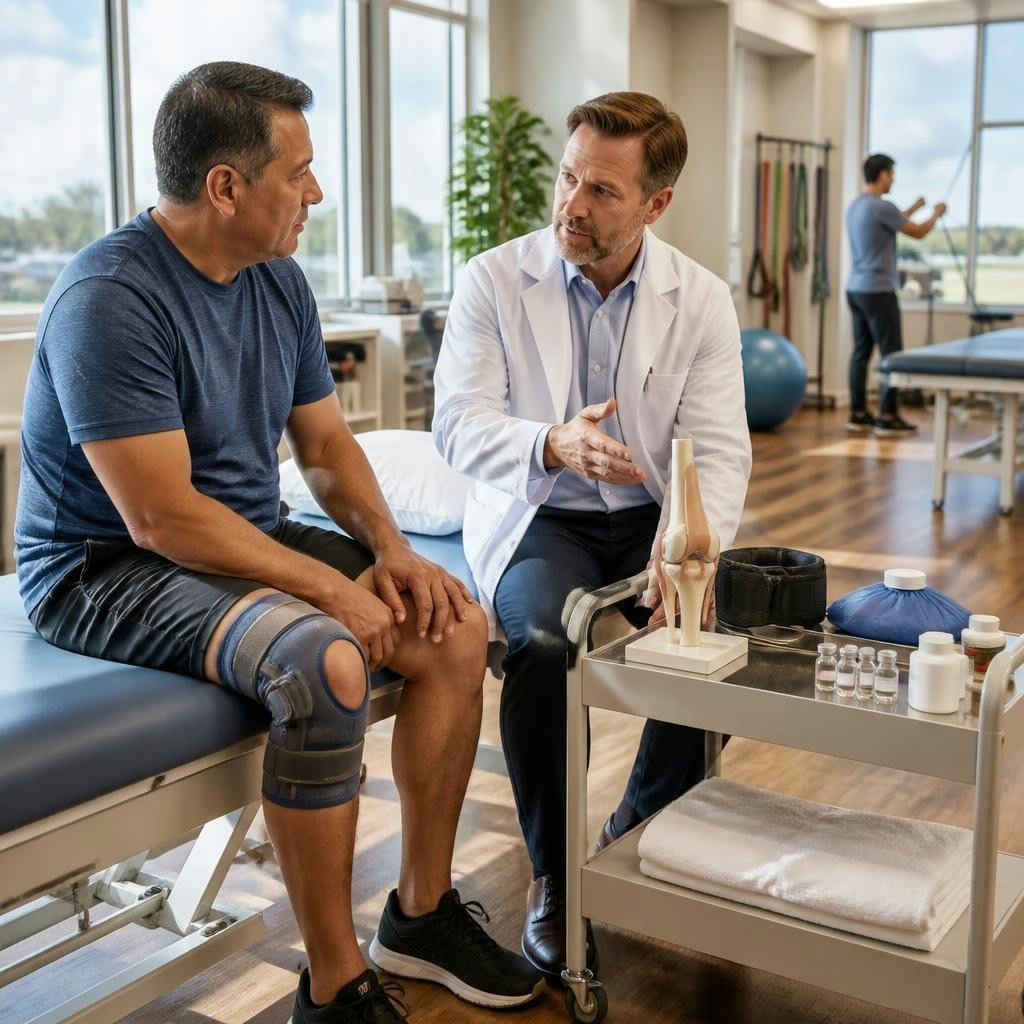
Braces and splints can stabilize a joint, unload pressure from damaged cartilage, or limit painful motion while tissues heal. Custom or over-the-counter orthotics change foot mechanics to reduce knee, hip or back symptoms. These devices are low-risk and often used while other therapies—like therapy or injections—are being tried. A short trial of a brace can sometimes show whether mechanical support provides meaningful relief and functional improvement.
Injections and medications: what they can and cannot do
In-clinic injections—such as corticosteroid injections or viscosupplementation—can reduce inflammation and give months of symptom relief for some patients. Oral or topical medications (over-the-counter anti-inflammatories, acetaminophen, topical analgesics) are useful for symptom control while pursuing longer-term solutions like therapy or weight loss. These treatments can improve comfort enough to participate in rehabilitation, but they rarely 'fix' structural problems on their own. Discuss benefits and risks with your provider, especially if you have other medical conditions or take concurrent medications.
Physical therapy, exercise and activity changes
Physical therapy is a cornerstone of conservative orthopedic care. A tailored program addresses strength, flexibility, balance and movement patterns that contribute to pain. Therapists teach exercises and graded activity plans so patients can return to everyday tasks more safely. Activity modification—temporary changes to sports, work duties or hobbies—may be recommended to reduce overload as rehab progresses. Consistent participation in therapy and home exercises is often the deciding factor for whether non-surgical care succeeds.
How surgeons decide when surgery is necessary
Deciding on surgery is a shared, stepwise process. Clinicians weigh objective findings (physical exam, imaging), the duration and severity of symptoms, how well conservative measures have been tried and adhered to, and the patient’s functional goals. Many local patients report that Alvin surgeons take time to listen and try non-surgical options first, reserving operative treatment for when pain or disability remain unacceptable despite appropriate conservative care. Your surgeon should explain why a procedure is being recommended and what alternatives were attempted.
Practical steps for Alvin patients considering conservative care
If you’re exploring non-surgical options in Alvin, start by listing your symptoms, activities you can’t do, and any previous treatments. Ask prospective providers which conservative therapies they recommend, expected timelines to judge success, and how progress will be measured. If you plan to see Bay Area Sports and Orthopedics at 1 Medic Lane, Alvin, TX, confirm your appointment details and insurance coverage in advance—some patients note front-desk communication can be uneven—so verifying location and paperwork helps avoid surprises. Finally, be patient: many non-surgical plans require time and consistent effort before results appear, but they often restore meaningful function without immediate surgery.
Article by
Dr. Schauder - Alvin
Dr. Schauder was born in Detroit, Michigan. He received his undergraduate degree from Albion College, Albion, Michigan in 1981 Summa Cum Laude with a 4.0 GPA, Phi Beta Kappa, Albion Fellow.