Living with Long-Term Orthopedic Issues in Alvin: Building a Care Plan That Lasts
Practical advice for Alvin-area patients on creating a durable orthopedic care plan — choosing the right surgeon, coordinating treatments as you age, managing multiple joints, and preparing for surgery and long-term recovery.
Why a long-term orthopedic plan matters
Orthopedic conditions—degenerative joints, chronic tendon problems, arthritis, or repeated injuries—often evolve over years or decades. That slow change makes it important to have a flexible, long-term care plan that focuses on preserving function, managing pain, and adjusting treatment as your needs change. A deliberate plan reduces surprises, helps you avoid unnecessary procedures, and keeps multiple providers working toward the same goals.
Choose a provider for continuity and trust
Long-term care works best with a provider who listens, explains options clearly, and has experience treating a range of problems over time. Local patients frequently note the value of continuity—seeing the same orthopedic surgeon and team for years or even decades—because that familiarity speeds diagnosis, improves decision-making, and builds confidence when tougher choices (like surgery) arise.
Collect and organize your medical record
Keep a single, easy-to-access file with key information: past imaging reports, operation notes, a list of medications and supplements, recent clinic visit summaries, and contact details for other clinicians involved in your care. If you switch clinics or see a specialist for a second opinion, providing organized records saves time and avoids repeated testing. It also helps your orthopedic surgeon understand how prior treatments have succeeded or fallen short.
Set goals and reassess them regularly
A durable care plan is goal-driven. Define what matters most—walking without pain, returning to work, or sleeping through the night—and share those priorities with your clinician. Conservative treatments (physical therapy, activity modification, bracing, injections) can be revisited and adjusted as you age. Many patients appreciate surgeons who explain why they recommend conservative care first and when surgery becomes a reasonable next step.
Coordinating care for multiple joint problems
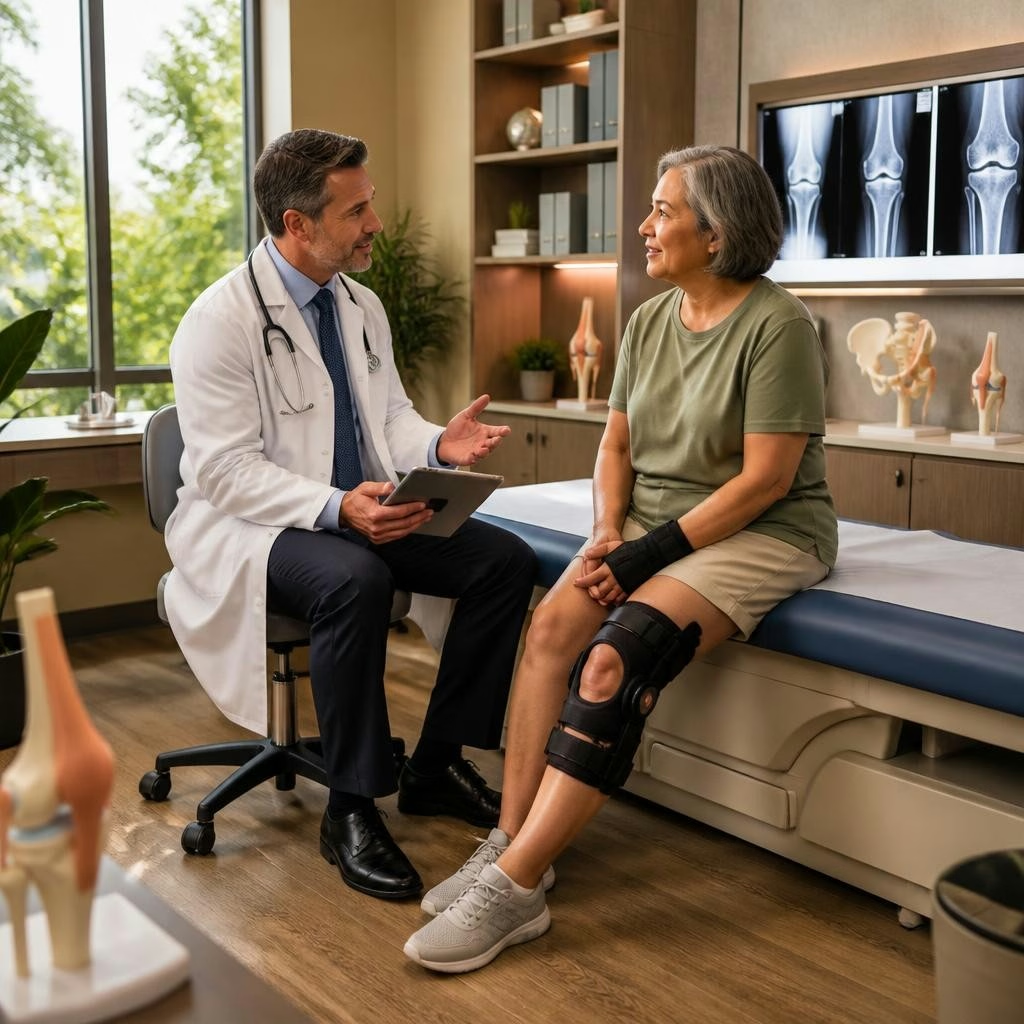
When more than one joint is involved, prioritize based on which issue limits daily life the most. Treating the most disabling joint first often improves overall function and rehabilitation. Coordinate with your primary care provider, physical therapist, and any other specialists to sequence treatments, manage medications, and plan rehab so each step supports the next.
Preparing for surgery and thinking about recovery
If surgery becomes necessary, preparation helps recovery. Practical steps include discussing realistic expectations with your surgeon, arranging for help at home during early recovery, and working on general health factors like blood sugar control and fitness as advised by your care team. Local patient accounts show many people experience meaningful functional improvement after procedures like knee replacement; discussing typical timelines and rehab plans with your surgeon will help you set achievable milestones.
Daily management strategies and when to reach out
Small, consistent actions can preserve joint function: low-impact exercise that a therapist approves, sensible weight management, and simple home modifications to lower fall risk. Contact your orthopedic team if you notice new, rapidly worsening pain, sudden loss of function, signs of infection after a procedure, or instability—these are reasons to be seen sooner rather than later. For routine matters, keep questions written down and confirm appointments and insurance details in advance to avoid administrative confusion.
Finding ongoing support in Alvin
If you live in or near Alvin and are building a long-term orthopedic plan, choose a clinic that emphasizes continuity, clear communication, and coordinated care. Many local patients point to long-term relationships with their orthopedic surgeon and staff as central to their recovery and ongoing comfort. Bay Area Sports and Orthopedics, located at 1 Medic Lane in Alvin, is one local option where patients report long-term relationships and thoughtful, attentive care—use that kind of firsthand feedback, combined with the practical steps above, to build a care plan that lasts.
Article by
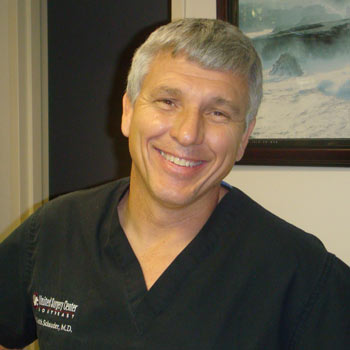
Dr. Schauder - Alvin
Dr. Schauder was born in Detroit, Michigan. He received his undergraduate degree from Albion College, Albion, Michigan in 1981 Summa Cum Laude with a 4.0 GPA, Phi Beta Kappa, Albion Fellow.