Kids’ Sports and School Injuries: When Your Alvin Child Needs an Orthopedic Check
Practical guidance for Alvin parents on first steps after a child’s fracture or sports injury, how to choose between urgent care and an orthopedic visit, and what to expect at a follow-up appointment at a local orthopedic clinic.
Why prompt attention matters
When a child is injured on the playground or during sports, getting the right care quickly can reduce pain, prevent complications, and speed recovery. Minor bumps and scrapes often need only basic first aid, but fractures, deep cuts, joint deformities, and injuries that limit walking or range of motion warrant professional assessment. Local families report positive experiences bringing children to an Alvin orthopedic clinic for follow-up after school injuries, where clinicians focus on diagnosing the problem and planning appropriate next steps.
Immediate steps at the scene
Start with simple first aid: keep the child still, control any bleeding with gentle pressure, and apply ice wrapped in a cloth to reduce swelling. If you suspect a fracture, immobilize the area without trying to realign bones—use a makeshift splint or padding to limit movement until you can get professional care. If the child is in severe pain, can’t move a limb, is faint, or shows signs of head injury (confusion, vomiting, loss of consciousness), seek emergency care right away.
Red flags that require urgent or emergency care
Go to the emergency department or call emergency services for open fractures (bone protruding through skin), heavy or uncontrollable bleeding, suspected dislocations with loss of circulation, signs of head or neck injury, or if the child cannot bear weight after a leg or ankle injury. These situations are time-sensitive and often require imaging and specialist intervention that an urgent-care clinic may not provide immediately.
Choosing urgent care versus an orthopedic clinic in Alvin
Urgent care is often appropriate for x-rays, basic splinting, and immediate pain control when an ER isn’t necessary. However, an orthopedic clinic is the right next step when a fracture needs follow-up, when an injury involves a joint or growth plate, or when you’ve been referred after an initial evaluation. Local parents note that some Alvin orthopedic practices are able to accommodate same-day or quick follow-ups and provide focused, pediatric-friendly assessments—so if a primary care or school nurse recommends an ortho follow-up, it’s reasonable to schedule one as soon as possible.
What to expect during an orthopedic follow-up
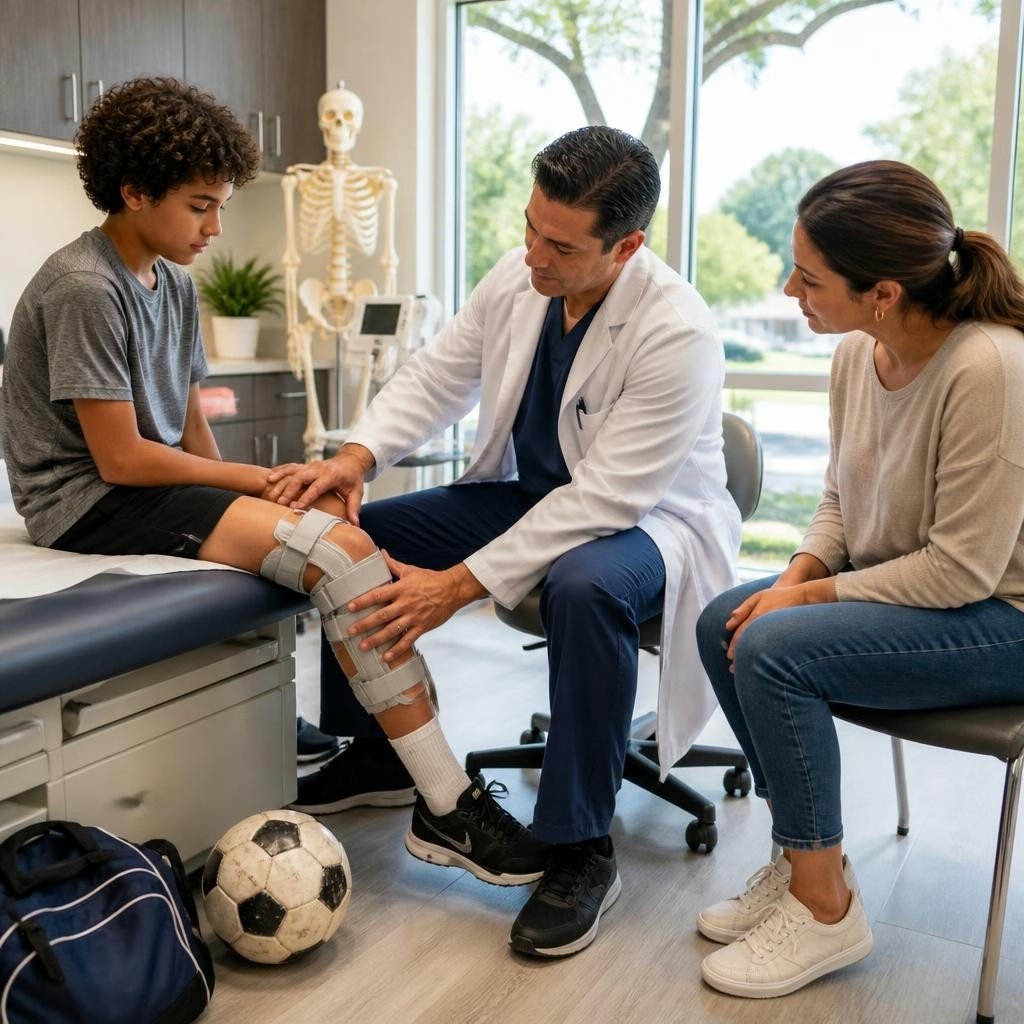
At a typical follow-up visit in Alvin you can expect a focused conversation about how the injury occurred and current symptoms, a physical exam to assess alignment, motion, and tenderness, and review of any imaging already done. The clinician may order or review x-rays, confirm whether a cast or brace is appropriate, and explain activity restrictions and pain management. Reviews from families describe attentive staff, clear explanations, and a practitioner who listens carefully—qualities that help parents understand the treatment plan and next steps.
How to prepare for the appointment
Bring any imaging or reports you already have, a list of current symptoms and how they’ve changed since the injury, and your child’s medical and allergy information. Dress the child in loose clothing that allows easy access to the injured area. Many practices require new-patient paperwork, so allow extra time or complete forms online if available. Because administrative experience can vary, it’s helpful to confirm appointment time and location when you schedule to avoid confusion.
Recovery, follow-up care, and return to play
Recovery plans are individualized but commonly include pain control, protected weight-bearing or immobilization while the bone heals, and gradual return to activity guided by the clinician. Follow-up visits check healing progress and may include repeat imaging. For sports participants, clinicians typically provide a timeline and criteria for returning to play that prioritize safe function over a fixed date. If you’re ever unsure about persistent pain, swelling, or changed function as your child heals, contact the clinic for reassessment—families say that attentive follow-up and clear communication make a big difference in feeling confident about recovery.
Article by
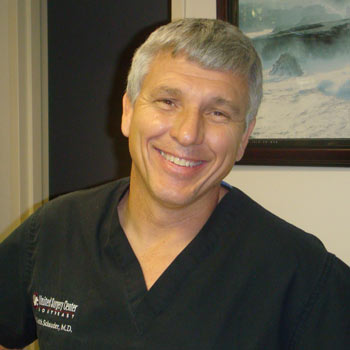
Dr. Schauder - Alvin
Dr. Schauder was born in Detroit, Michigan. He received his undergraduate degree from Albion College, Albion, Michigan in 1981 Summa Cum Laude with a 4.0 GPA, Phi Beta Kappa, Albion Fellow.