Hip Replacement Questions Alvin Adults Should Ask Before Scheduling Surgery
A practical checklist for Alvin residents considering hip replacement that outlines the key questions to bring to your orthopedic consultation — covering anesthesia, location of surgery, implant choices, recovery milestones, and how to discuss risks and benefits with your surgeon.
Why a focused list of questions matters
Deciding on hip replacement is both a medical and personal choice. A clear, structured set of questions helps you compare options, understand likely outcomes, and feel confident about timing and logistics. In Alvin, where many patients choose local orthopedic care, preparing questions ahead of time makes the most of your appointment and ensures you cover anesthesia, surgical setting, implants, recovery, and risk‑benefit tradeoffs.
Start with your goals and daily limitations
Begin the conversation by describing what you want to achieve: reduce pain while walking, sleep through the night, or return to specific activities. Be specific about current limitations (distance you can walk, stairs, need for a cane) and any prior treatments you've tried. This context helps the surgeon explain whether hip replacement is the right next step or whether nonoperative care should continue longer.
Ask about anesthesia and pain control options
Ask which anesthesia types are offered (general vs. regional/spinal) and which the surgeon and anesthesiologist recommend for your health profile. Discuss intraoperative and postoperative pain control plans, including nerve blocks, multimodal medicines, and strategies to reduce opioid use. Clarify expected immediate side effects, typical time in recovery, and what to expect the day after surgery so you can plan support at home.
Hospital vs. outpatient (same‑day) surgery: what to ask
Find out whether your surgeon performs hip replacements as an inpatient procedure, an outpatient/same‑day operation, or both. Ask why one setting is recommended for you, and what criteria determine discharge timing. Important follow‑ups include: where the surgery will take place, whether physical therapy begins the same day, what support you need at home, and how emergencies are handled after discharge.
Questions about implants and surgical approach
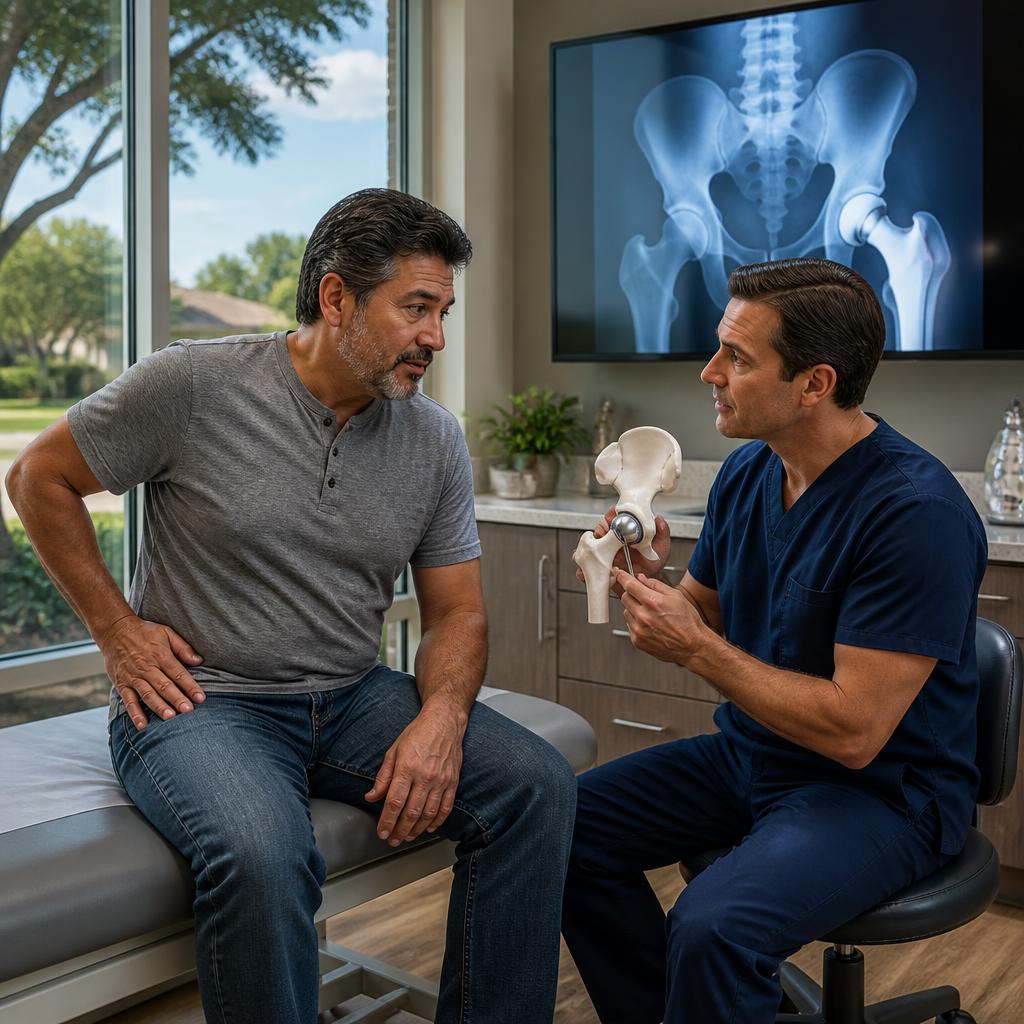
Ask your surgeon to describe the implant options in plain language — for example, materials used, how the implant is fixed to bone, and the expected goals for stability and range of motion. Rather than technical brand names, focus on the surgeon’s reasons for a given choice and how it fits your age, activity level, and bone quality. Also ask which surgical approach they use and how that approach influences recovery and activity restrictions.
Recovery milestones and rehab to expect
Request a clear recovery timeline: when you’ll get out of bed, walk with assistance, progress to stairs, and expect routine activities like driving. Ask about the frequency and duration of physical therapy, common early challenges (swelling, stiffness), and red flags that require contact with the surgeon’s office. Also discuss follow‑up visit timing so you know when to expect x‑rays or formal progress checks.
How to talk through risks, benefits and alternatives
Invite a frank discussion of potential benefits (pain relief, improved function) and common risks (infection, blood clots, stiffness, need for revision). Ask how these risks apply to your medical history and what steps the team takes to mitigate them. Also ask about non‑surgical alternatives and the expected course if you delay surgery — understanding tradeoffs helps make a decision aligned with your priorities.
Practical preparation: appointments, insurance and communication
Before scheduling, confirm the surgery site, anesthesia consult, preoperative testing, and any required paperwork. Several patients note that the surgeon takes time during the visit to examine concerns and answer questions, so plan to bring a list. Because some patients have experienced scheduling or insurance hiccups elsewhere, verify coverage and bring necessary insurance information to your appointment. Finally, ask how the clinic prefers post‑op questions to be handled (phone, portal, or scheduled visits) so you know how to reach the team after surgery.
Customer review


Article by
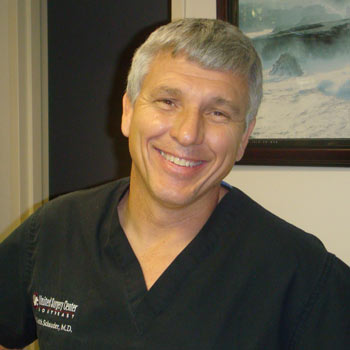
Dr. Schauder - Alvin
Dr. Schauder was born in Detroit, Michigan. He received his undergraduate degree from Albion College, Albion, Michigan in 1981 Summa Cum Laude with a 4.0 GPA, Phi Beta Kappa, Albion Fellow.