Hip Pain Explained: Common Causes and Treatment Options for Alvin Adults
A clear, practical guide to common causes of hip pain in adults, how an orthopedic surgeon evaluates them, and when conservative care or referral for surgery may be recommended locally in Alvin.

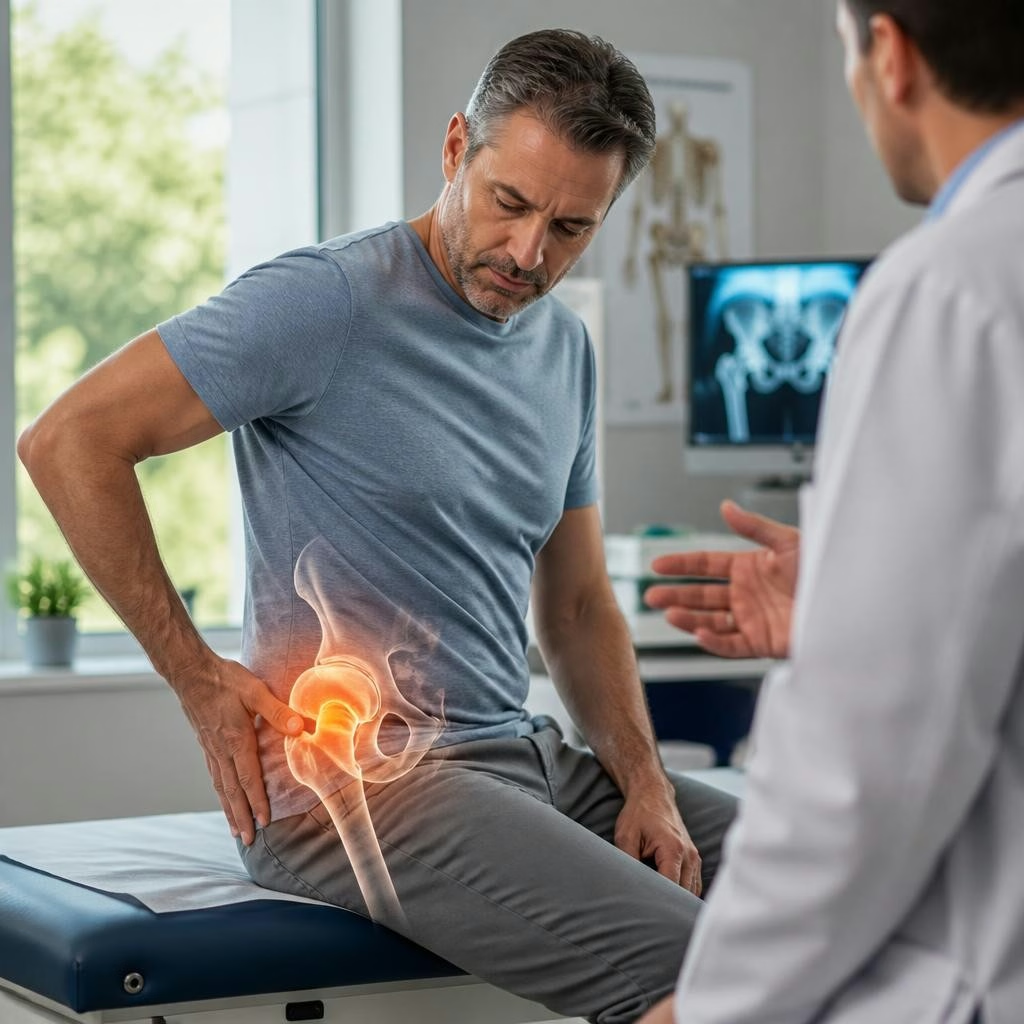
Why hip pain matters
Hip pain can range from a dull ache to sharp, limiting discomfort that affects walking, sleep, and everyday activities. For many Alvin adults the impact is more than physical — it affects quality of life and independence. Understanding the typical causes and realistic treatment steps helps people and their families make informed choices and get appropriate care sooner.
Common causes of adult hip pain
Several conditions frequently cause hip pain in adults. Osteoarthritis (wear‑and‑tear of the joint) produces stiffness, pain with weight bearing, and gradual loss of motion. Trochanteric bursitis causes tenderness on the outer hip and pain with direct pressure or lying on that side. Tendonitis and muscle strains from overuse or sudden activity can generate localized pain. Femoroacetabular impingement and labral tears are structural problems that may cause groin pain and catching sensations, especially in younger or active adults. In older adults, fractures after a fall are a serious cause of sudden hip pain. Pain from the lower back or sacroiliac joint can also be felt in the hip area (referred pain).
How an orthopedic surgeon evaluates hip pain
An orthopedic evaluation begins with a careful history and a focused physical examination to pinpoint the location, pattern, and triggers of pain. The clinician will assess gait, range of motion, strength, and specific maneuvers that reproduce symptoms. Imaging—starting with X‑rays and sometimes advancing to MRI or CT—is used to look for arthritis, structural abnormalities, fractures, or soft‑tissue injury. A review of prior treatments, activity level, and overall health helps guide the plan. Patients routinely report that a thorough exam and clear answers to questions are an important part of feeling confident about their care, which is reflected in local feedback about Dr. Schauder’s approach to hip evaluations.
Conservative (non‑surgical) treatment options
Most hip problems begin with conservative care. Typical measures include activity modification, targeted physical therapy to restore strength and mobility, anti‑inflammatory medications when appropriate, and temporary use of assistive devices such as a cane. Localized treatments like steroid injections are sometimes used to reduce inflammation and test whether a joint or bursa is the main pain source. Lifestyle measures — maintaining a healthy weight, low‑impact exercise (swimming, cycling), and addressing biomechanical contributors — also play a major role in long‑term symptom control.
When surgery may be considered
Surgery is considered when conservative treatments fail to relieve pain or when structural problems are severe (for example advanced joint degeneration, significant fractures, or certain labral/impingement injuries). Options range from arthroscopic procedures to address labral tears, to joint‑preserving surgeries, and, in advanced arthritis, joint replacement. The decision to operate depends on symptoms, imaging findings, overall health, and patient goals. Many patients find confidence in surgeons who combine careful assessment with clear explanations about risks, benefits, and expected recovery.
What to expect at Bay Area Sports and Orthopedics
If you choose to be evaluated at Bay Area Sports and Orthopedics in Alvin, expect a focused visit centered on listening to your concerns and a hands‑on exam. A recent patient review highlighted that the physician took time to perform a thorough hip exam and answered questions, reflecting the practice’s emphasis on patient communication. For first‑time visits bring a list of symptoms, medication details, prior imaging or reports if available, and your insurance information. Note that some patients recommend confirming appointment details and insurance coverage ahead of time to avoid administrative confusion.
When to seek urgent care and next steps
Seek urgent care or emergency evaluation for sudden inability to bear weight after a fall, severe deformity, signs of infection (fever plus worsening hip pain), or rapidly progressive neurologic symptoms. For persistent or worsening hip pain that limits daily activities, schedule an orthopedic evaluation to identify causes and start an appropriate treatment plan. If you are in Alvin and would like an evaluation, Bay Area Sports and Orthopedics is located at 1 Medic Lane; an initial visit will clarify diagnosis, outline non‑surgical options, and, when appropriate, discuss surgical referral and expected recovery.
Customer review


Article by
Dr. Schauder - Alvin
Dr. Schauder was born in Detroit, Michigan. He received his undergraduate degree from Albion College, Albion, Michigan in 1981 Summa Cum Laude with a 4.0 GPA, Phi Beta Kappa, Albion Fellow.