Chronic Knee Pain but Not Ready for Surgery: Practical Treatment Paths for Alvin Patients
A practical guide for Alvin residents on non-surgical knee pain options—what they are, how they work, how an orthopedic surgeon monitors progress, and how to plan next steps with Bay Area Sports and Orthopedics.
Why consider non-surgical care first
If your knee pain limits daily activities but you want to delay or avoid surgery, there are realistic, evidence-based steps to try first. The goals of conservative care are to reduce pain, restore function, protect joint tissues, and slow symptoms so you can maintain a meaningful level of activity without immediate joint replacement. An orthopedic surgeon can help you choose a tailored plan and set reasonable timelines to evaluate improvement.
Common non-surgical options your surgeon may discuss
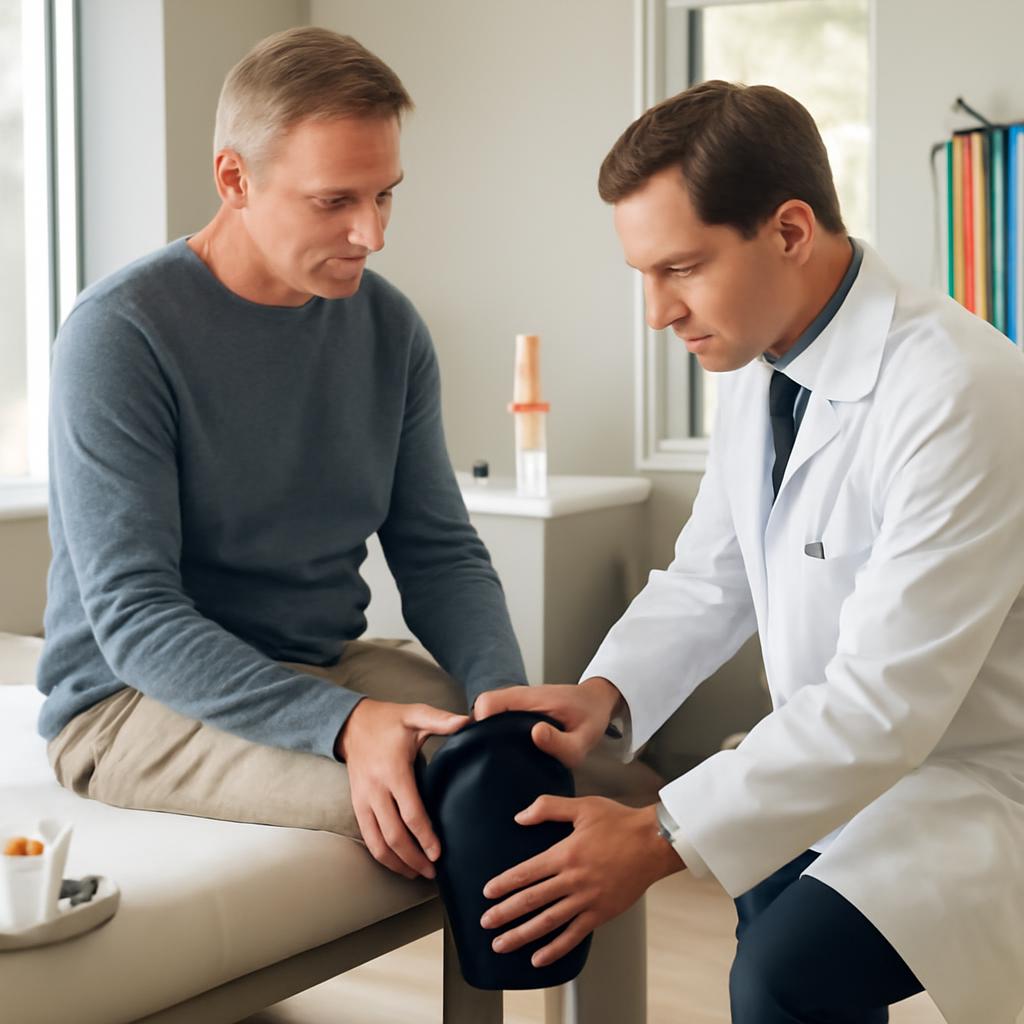
Orthopedic surgeons typically present a menu of conservative approaches rather than jumping directly to surgery. Common options to discuss include activity modification and pacing; over-the-counter pain relievers and anti-inflammatories used appropriately; targeted physical therapy to strengthen muscles that support the knee; off-the-shelf or custom bracing and shoe inserts to improve alignment and reduce pain; weight management support when relevant; and image-guided injections in select cases. Which options make sense depends on your diagnosis, overall health, and daily goals.
How injections and regenerative therapies fit in
Injections are sometimes used to reduce symptoms while you pursue other treatments. Corticosteroid injections can provide short-term pain relief for flare-ups. Viscosupplementation or other joint injections may be discussed for certain types of knee osteoarthritis. Some surgeons will review regenerative choices such as platelet-rich plasma and explain the current evidence and limitations. Ask your orthopedic surgeon for the expected benefit, how long relief might last, and any follow-up plan before deciding.
What realistic progress looks like with physical therapy
Physical therapy is often the cornerstone of conservative care. A focused program emphasizes strengthening the quadriceps, gluteal muscles, and hip stabilizers; improving flexibility; correcting gait or movement patterns; and teaching a home exercise plan. Typical programs run for several weeks with regular reassessment. Most patients see gradual improvements in pain and function over 6–12 weeks; if there’s no meaningful change, your surgeon will reassess the diagnosis and next steps.
How an orthopedic surgeon monitors and adjusts treatment
A surgeon will combine your symptoms, functional tests, and any imaging to track progress. Expect scheduled follow-ups to document pain scores and activity levels, review therapy notes, and decide whether to continue conservative care, try a different non-surgical option, or discuss surgical timing. Reviews of local patients emphasize that thorough evaluation and clear explanations matter—many patients appreciate when a surgeon takes time to listen and guide the plan, even if surgery isn’t immediate.
Practical tips for Alvin patients when pursuing non-surgical care
Bring relevant medical records and imaging to appointments to avoid repeat tests. Prepare specific activity goals (e.g., walking distance, stair climbing, gardening) so progress can be measured. Ask for a written plan with expected timelines and what improvements to expect at each check-in. Note that some patients report long-term relationships with their orthopedic surgeon and excellent clinical care, and a few mention being scheduled later than expected—so build some flexibility into appointment planning and confirm how the clinic prefers to handle follow-up communication.
Making a plan that fits your life
If you live in Alvin and are weighing non-surgical options, start with a focused consultation to confirm the diagnosis and set measurable goals. Bay Area Sports and Orthopedics (Dr. Schauder) can review conservative options, monitor response over time, and advise when surgery is the best next step. Come prepared with prior imaging, a list of activities you want to return to, and questions about timelines and expected benefits—this helps you and your surgeon make a shared, practical plan that matches your priorities.
Customer review


Article by
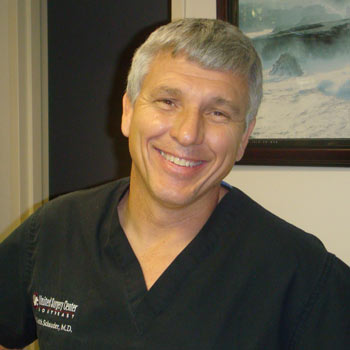
Dr. Schauder - Alvin
Dr. Schauder was born in Detroit, Michigan. He received his undergraduate degree from Albion College, Albion, Michigan in 1981 Summa Cum Laude with a 4.0 GPA, Phi Beta Kappa, Albion Fellow.